
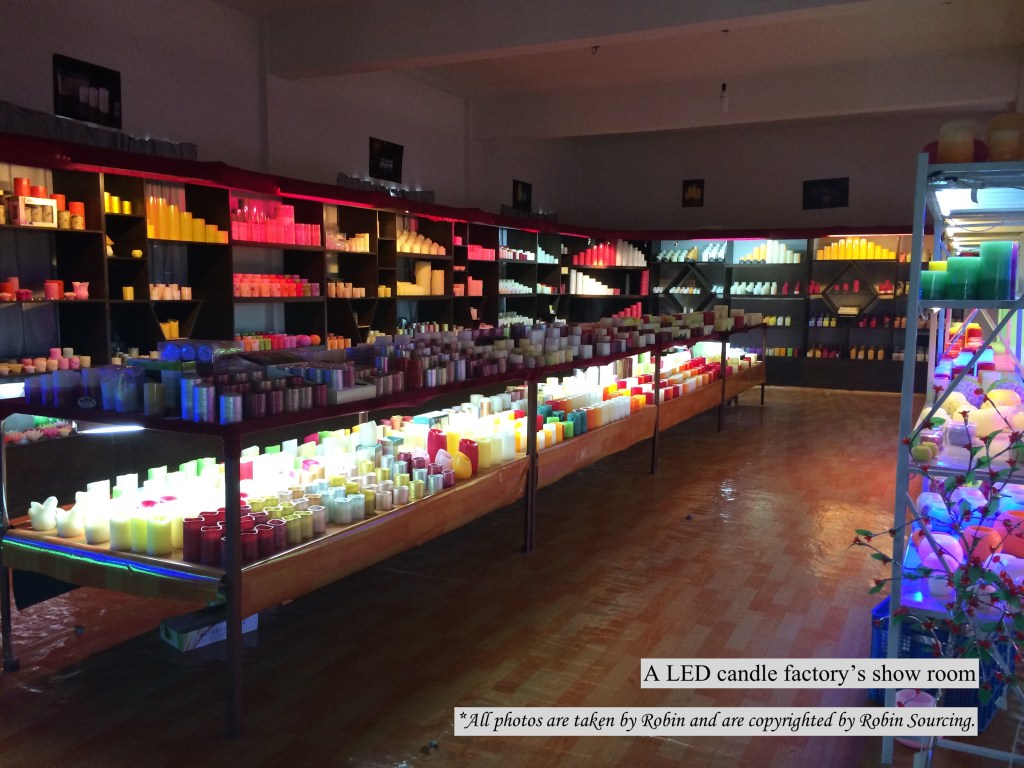
The global economy was slowing, competition was intensifying, and my client, a US-based company selling LED products, was facing a dilemma. Their US suppliers delivered high-quality products, but the costs were unsustainable for their price-sensitive market. Struggling to balance quality and affordability, they turned to me for help in transitioning to Chinese manufacturing—a logical step given China’s position as the world’s largest manufacturing hub.
As an international sourcing consultant with over a decade of experience, I’ve built a career on understanding the delicate balance between cost and quality. I knew this project would require a deep dive into the client’s needs and meticulous supplier vetting. The journey began with a detailed understanding of their LED product line. These weren’t ordinary LED products; they were made with real wax, featured a timer function, and emitted a warm, life-like amber glow—a detail their customers loved.
Step 1: Research and Initial Supplier Search
Armed with a clear understanding of the client’s requirements, I began sourcing. I attended the Canton Fair, the world’s largest trade show, and tapped into my extensive supplier network. My focus was clear: find a genuine factory, not a trading company. By working directly with manufacturers, we could eliminate middleman costs, ensure product quality, and maintain efficient communication—key factors for any design changes or issue resolution.
The initial search yielded seven potential factories eager to work with us. Through in-depth communication and background research, I narrowed the list based on professionalism, motivation, communication ease, and work ethic. This rigorous process left us with three highly qualified suppliers.
Step 2: Sample Testing and Supplier Selection
I requested samples of the client’s most popular SKUs from the three finalists. Upon receiving the samples, I conducted the first round of quality checks. One supplier’s wax quality was subpar and showed damage during shipping, leading to their elimination. Of the remaining two, one supplier’s color was slightly off, while the other’s amber light was less realistic than the client’s original products. I provided detailed feedback and requested revised samples from both.
The second round of samples arrived a week later. Both suppliers had addressed the issues, and the products met the client’s quality standards while offering significantly lower costs. I shipped the samples to the client in the US, carefully tagging each with product numbers, pricing, and MOQ details.
Step 3: Client Approval and Order Placement
After receiving and comparing the samples, the client chose the supplier offering the lowest prices. They placed their first order, confident in the quality and value of the new products. By transitioning to Chinese manufacturing, we achieved cost reductions of 20%-50% across various SKUs in their LED product line.
Results
The benefits didn’t stop at cost savings. The impact was transformative:
- Sustained Success: For many years, the client continues to work with the same supplier, regularly placing container-sized orders.
- Expanded Product Line: The client added new SKUs to their product line, some of which became highly popular in the market.
- Flexibility: The factory’s adaptability and direct communication allowed the client to upgrade product styles to keep up with market trends.
- Customer Satisfaction: The LED products sourced through this partnership average 4.5 out of 5 stars across thousands of customer reviews.
- Financial Impact: By cutting costs and enhancing product appeal, the client has saved millions of dollars and achieved impressive sales growth.
This case exemplifies the power of strategic sourcing. By leveraging my expertise and network, I not only solved my client’s immediate challenge but also set them up for long-term success. This is the essence of what I bring to the table: cost savings, quality assurance, and a competitive edge in the marketplace.
 Robin Sourcing | Reliable Sourcing, Better Business