
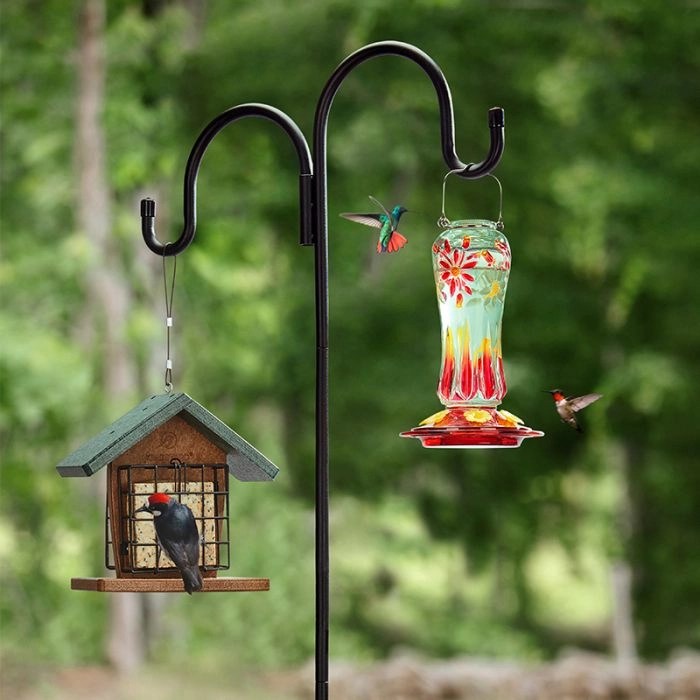
It started with a frustrated phone call. My client, an experienced garden tool seller, was dealing with a costly and frustrating problem. One of his best-selling products—a 36-inch tall shepherd hook designed to hold flowerpots and bird feeders—was draining profits. Shipping costs were through the roof, and customer complaints were piling up. Some said the hooks were flimsy and wobbly; others wished they were longer. My client needed a solution, and fast.
I thrive on challenges like these. Rather than patching the problem with a quick fix, I took a step back and analyzed everything—the product, the complaints, and the market. The answer became clear: we needed a redesigned, assembly-style shepherd hook. This would solve multiple issues at once. A collapsible design would cut shipping costs significantly, while an adjustable height feature would allow customers to customize the length to their liking. It was the perfect solution—but finding the right supplier to make it happen wouldn’t be easy.
Using my sourcing expertise, I scoured the market for manufacturers who already produced assembled shepherd hooks. The results were disappointing. The industry simply didn’t have enough suppliers specializing in this kind of product. Instead of settling, I expanded my search and turned to alternative suppliers in the metallic gardening product sector. With the right approach and negotiation, I was confident I could find someone to bring my vision to life.
After countless discussions and supplier evaluations, I identified two promising candidates. I worked closely with them, pushing for design improvements that would enhance both product stability and cost-effectiveness. One supplier in particular stood out. They proposed a smart upgrade: increasing the hook’s thickness and redesigning the base. The original flower-patterned base was decorative but impractical—it was too small and prone to tipping over when holding heavier pots. The supplier’s solution? A larger round base, maintaining its original shape but now featuring a square pattern inside, which significantly improved stability.
With a plan in place, we moved forward with sample production. Within two weeks, I had samples from both suppliers in hand. The results spoke for themselves. The first supplier delivered a rough product with minimal improvements. The second supplier, however, exceeded expectations. Their sample was sturdy, well-crafted, and the assembly functioned flawlessly. To top it off, the new product, using less metal and produced in mass quantity, turned out to be 15% cheaper than the original—another win-win situation for my client.
When I sent the final sample and revised pricing to my client, his response was immediate: “Let’s move forward.” The new design was a game changer. The packaging size was now 50% smaller, slashing domestic shipping costs by 30%. The improved stability meant the hooks could now hold up to 6.2 lbs, compared to the original 2.4 lbs. And with an adjustable height ranging from 34 to 55 inches, customers could now choose the perfect size for their needs.
The first order was a full container. I personally visited the factory to oversee production and ensure quality met our agreed-upon standards. The results spoke for themselves. Four years later, this improved shepherd hook remains one of the top-selling products in its category on Amazon, with hundreds of glowing customer reviews.
 Robin Sourcing | Reliable Sourcing, Better Business