
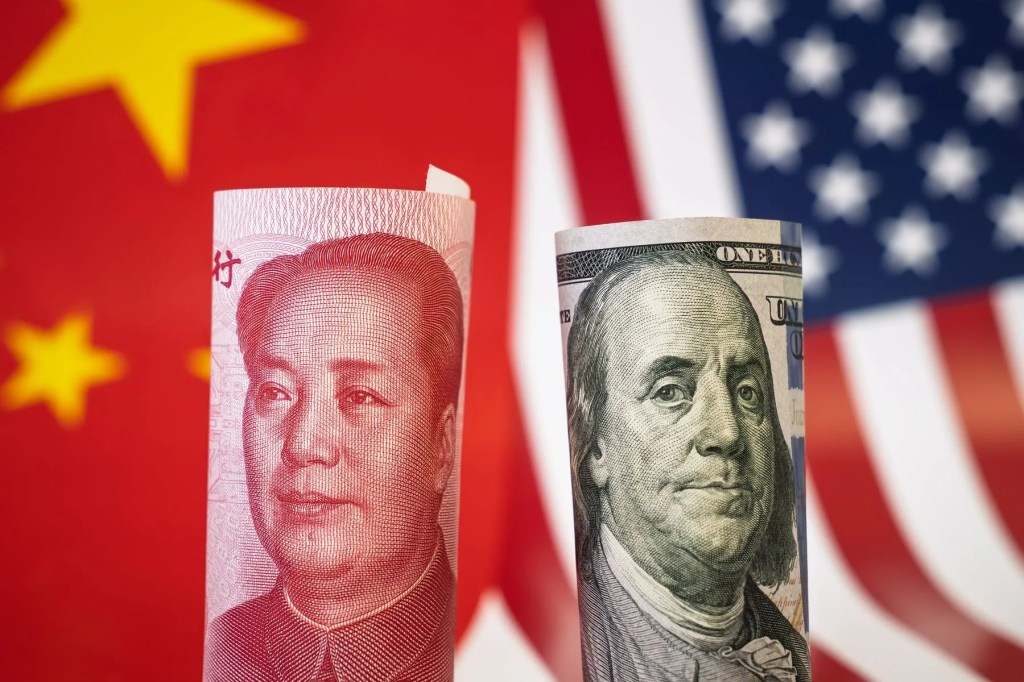
In early February 2025, President Donald Trump announced a 10% tariff on all Chinese imports, effective February 4, 2025. This move aims to address concerns over trade imbalances and other issues. In response, China has implemented retaliatory tariffs on U.S. goods, including energy products and machinery.
Anticipated Developments
The current trade tensions between the U.S. and China are expected to persist, potentially leading to further tariff escalations and supply chain disruptions. Businesses should prepare for ongoing volatility and consider proactive measures to mitigate risks.
Strategies for Adaptation and Growth
0. Increase Storage Levels
Anticipating potential further tariff increases, businesses can consider increasing inventory levels as a short-term strategy. By securing products before tariffs escalate:
- Businesses can temporarily avoid higher costs due to future tariff hikes.
- Supply chain disruptions can be minimized by maintaining stock availability.
- Additional warehouse storage costs should be weighed against potential tariff savings.
This approach is best suited for companies with predictable demand and sufficient storage capacity.
1. Strengthen Relationships with Chinese Factories
In China, strong relationships (Guan Xi, 关系 in Chinese Mandarin) with suppliers are key to successful business operations. Building trust, maintaining open communication, and fostering long-term partnerships can lead to:
- Improved lead times and more favorable payment terms
- Priority production scheduling
- Greater collaboration in cost reduction strategies
- Take advantage of exchange rates by negotiating payment terms in favorable currencies, utilizing currency hedging strategies, and timing transactions to capitalize on rate fluctuations.
By working closely with Chinese suppliers, businesses can find innovative ways to absorb costs and maintain competitive pricing.
2. Diversify Your Supplier Base
Exploring alternative sourcing options outside of China can help reduce risks associated with tariffs. Countries such as Vietnam, India, Thailand, and Malaysia offer growing manufacturing capabilities. An increasing number of Chinese factories are setting up manufacturing operations in other Asian countries. Benefits of supplier diversification include:
- Reduced dependency on a single country
- Access to different pricing structures and labor markets
- Greater flexibility in adapting to global trade shifts
3. Optimize Cost Structures
Rather than absorbing tariff costs and raising product prices, businesses can look for internal efficiencies to offset expenses. Consider:
- Reducing packaging costs: Simplify packaging design and source cost-effective materials.
- Streamlining operations: Identify and eliminate inefficiencies in logistics, warehousing, and inventory management.
- Remote work options: Reducing office space and overhead costs where possible.
4. Leverage Free Trade Agreements and Duty Optimization
Many countries have trade agreements that provide reduced tariffs or duty exemptions. Businesses should explore:
- Free Trade Agreements (FTAs): Checking if suppliers in certain regions benefit from lower tariff rates.
- Bonded Warehousing: Storing goods in bonded warehouses to defer duty payments until necessary.
- Reclassifying Products: Reviewing HS codes to determine if goods can be classified under lower-duty categories.
Embracing Change Through Strategic Planning
While tariff increases present challenges, they also encourage businesses to rethink sourcing strategies, strengthen supplier relationships, and optimize cost structures. By staying agile and exploring new opportunities, businesses can continue to thrive despite market uncertainties.
If you need assistance with supplier relationships, cost optimization, or exploring alternative sourcing options, feel free to contact me. Together, we can develop tailored solutions to navigate these challenges successfully.
 Robin Sourcing | Reliable Sourcing, Better Business